
Sourdough Gingerbread Scones with Molasses Glaze
This post may contain affiliate links. Please read my disclosure policy to learn more.
These sourdough gingerbread scones are everything a good scone should be: flaky, tender, warmly spiced, and deeply comforting. Whether you bake them during the holiday season or months later when gingerbread still sounds good, they’re the kind of recipe that feels timeless.

Recipe Overview: Sourdough Gingerbread Scones with Molasses Glaze
- ⏱ Prep Time: 20 minutes
- 🚨 Chill Time: 20 minutes
- 👩🏻🍳 Baking Time: 20 minutes
- ⏳ Total Time: 1 hour
- 🍞 Serving: 8 scones
- ⚡ Calories: 277 calories per scone
- 🍂 Flavor Profile: Tender, lightly tangy scones with warm gingerbread spices, enriched with molasses flavor and finished with a sweet, dark glaze.
- 👌 Difficulty: Medium — requires handling soft dough and balancing spices and glaze.
SUMMARIZE & SAVE THIS RECIPE ON
Jump to:
- Recipe Overview: Sourdough Gingerbread Scones with Molasses Glaze
- Why You’ll Love These Sourdough Gingerbread Scones:
- Ingredients
- Molasses Glaze
- How to Make Sourdough Ginger Scones
- Optional Fermentation Option:
- Molasses Glaze:
- Other Glaze Options
- Tips for the Best Sourdough Gingerbread Scones
- Storage & Freezing
- FAQs: Sourdough Gingerbread Scones
- Other Recipes You'll Enjoy
- pin for later
- Sourdough Gingerbread Scones with Molasses Glaze
I made these scones before Christmas, fully intending to share them right away. Life happened, the holiday season moved fast, and they sat quietly in my drafts. But gingerbread flavor isn’t just a Christmas thing. Warm spices, rich molasses, and cozy sourdough belong far beyond December, especially alongside a cup of coffee on a slow morning.
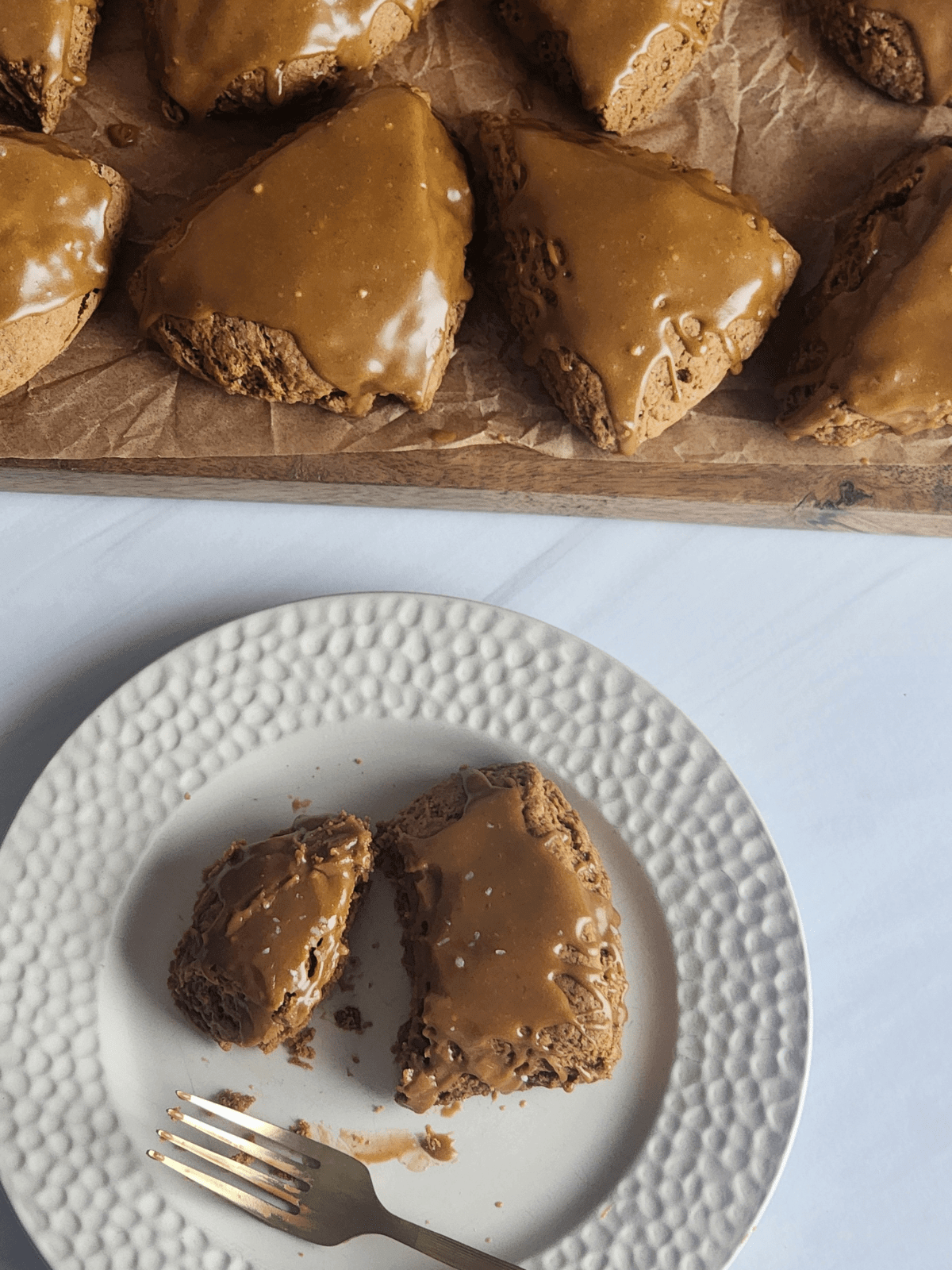
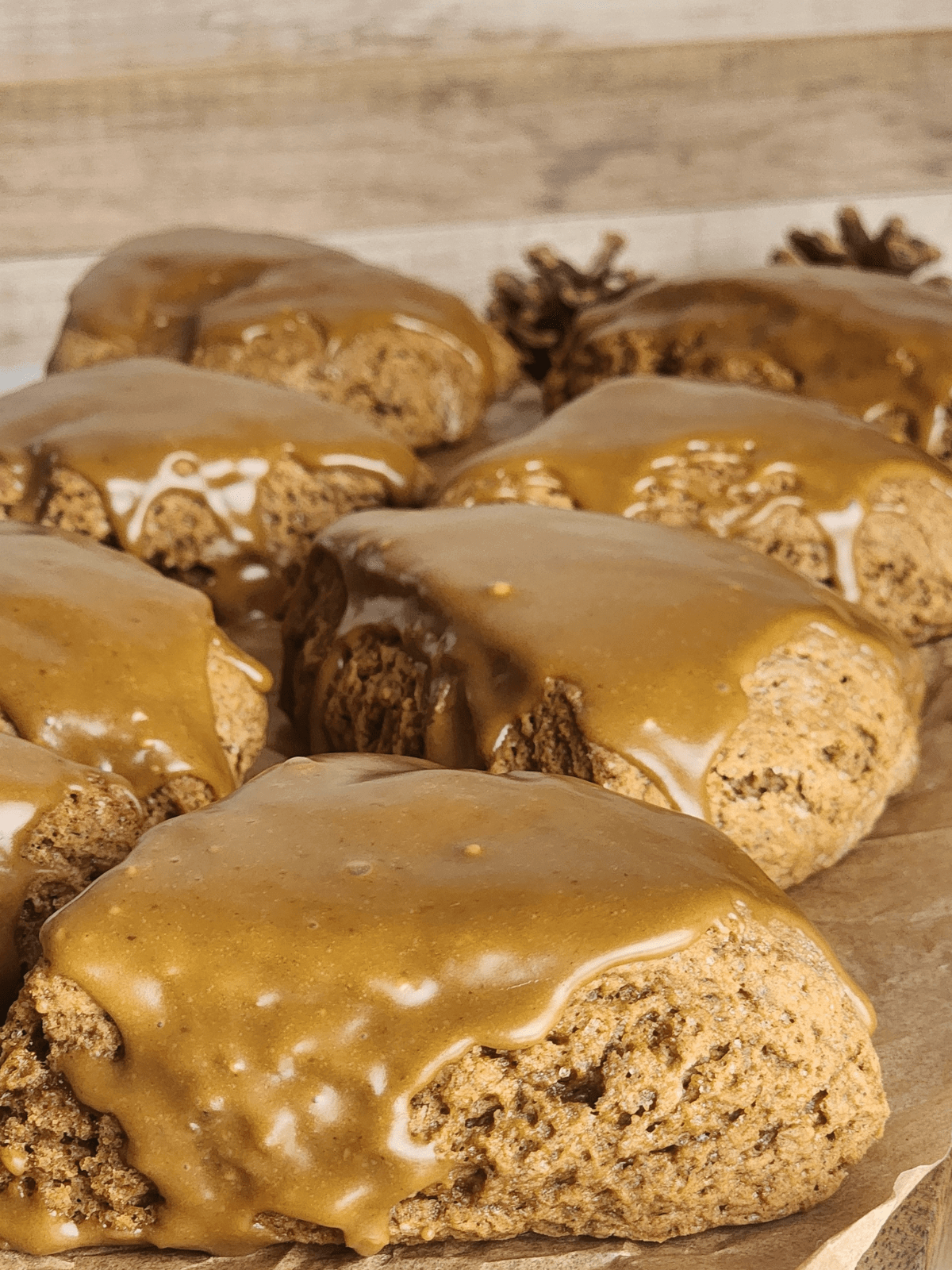
If you love sourdough discard recipes, tender scones with flaky layers, and that deep, nostalgic gingerbread flavor, this recipe deserves a spot in your rotation. These are soft and fluffy on the inside, lightly crisp on the edges, and finished with a simple molasses glaze that soaks right into the tops of the scones.
Why You’ll Love These Sourdough Gingerbread Scones:
- A great way to use sourdough discard
- Deep gingerbread flavor with warm spices and rich molasses
- Tender scones with flaky layers
- Easy to make with simple pantry staples
- Perfect for freezing and baking later
- Delicious long after the holiday season

Ingredients
Dry Ingredients
- 2½ cups all-purpose flour
- ⅓ cup brown sugar
- 1 tablespoon baking powder
- 1 teaspoon ground ginger
- 1 teaspoon cinnamon
- ¼ teaspoon cloves
- ¼ teaspoon nutmeg
- ½ teaspoon kosher salt
Cold Ingredients
- ½ cup cold unsalted butter, cubed
- ¾ cup sourdough discard (unfed)
Wet Ingredients
- ½ cup heavy cream or heavy whipping cream
- ¼ cup molasses
- 1 teaspoon vanilla extract
For Topping
- Heavy cream (for brushing)
- Coarse sugar (optional)
Molasses Glaze
- 1 cup powdered sugar
- 1 tablespoons molasses
- 1–2 tablespoons whole milk or heavy cream

How to Make Sourdough Ginger Scones
1. Prepare the Dry Mixture
In a large mixing bowl, whisk together the dry ingredients: flour mixture, brown sugar, baking powder, salt, and warm spices. Mixing these evenly now ensures consistent flavor throughout the scone dough.
2. Cut in the Cold Butter
Add the cold butter to the large bowl. Using a pastry cutter to cut the butter into the dry mixture until it resembles coarse crumbs. Butter should stay cool, visible pea-sized pieces help create flaky layers.
3. Mix the Wet Ingredients
In a medium bowl, whisk together sourdough discard, heavy cream, molasses, and vanilla extract. These wet ingredients should be cold for best results.
4. Combine and Form the Dough
Pour the cream mixture into the dry mixture. Gently mix until just combined. The dough will look shaggy, that’s perfect.
Turn the dough out onto a lightly floured surface. Use a bench scraper to gently bring it together without overworking.
5. Shape and Cut
Pat the dough into a 1-inch thick circle. Using a sharp knife, cut into equal wedges.
Transfer the unbaked scones to a prepared baking sheet lined with parchment paper.
6. Chill:
Place the baking tray in the freezer for 20–30 minutes.
Optional Fermentation Option:
Cover the shaped dough tightly with plastic wrap and refrigerate overnight (8–12 hours). Bake straight from cold the next morning.
This slow fermentation enhances flavor without sacrificing texture.
7. Bake
Preheat oven to 400°F. Brush the tops of the scones with heavy cream and sprinkle with coarse sugar if desired.
Bake scones for 18–22 minutes, or until golden brown on top.
Transfer to a wire rack to cool.
Molasses Glaze:
In a small bowl, whisk powdered sugar, molasses, and milk until smooth. Spoon over the top of the scones while slightly warm so the glaze sets beautifully.
Other Glaze Options
Maple Glaze
- Powdered sugar
- Maple syrup
- Splash of milk
Simple Vanilla Glaze
- Powdered sugar
- Milk
- Vanilla extract

Tips for the Best Sourdough Gingerbread Scones
When it comes to baking perfect scones, small details make a big difference. These tips will help you get tender, flaky results every time, even if you’re new to sourdough scones or working with discard.
- Keep everything cold. Cold butter, cold cream, and cold sourdough discard are essential for flaky layers. If the butter warms too much while mixing, it will melt into the dough instead of creating steam in the oven. If your kitchen is warm, don’t hesitate to pop the bowl into the fridge for a few minutes before shaping.
- Use a light hand when mixing. Scone dough should never be smooth like bread dough. Stop mixing as soon as the wet and dry ingredients come together. Overmixing develops gluten and leads to tough, dense scones instead of tender ones.
- Measure flour carefully. Too much flour is one of the most common causes of dry scones. Spoon flour into your measuring cup and level it off rather than scooping directly from the bag.
- Don’t skip the chill. Chilling the shaped scones before baking is one of the most important steps. This ensures the butter stays cold until it hits the hot oven, which creates lift and flaky texture.
- Use sharp cuts. When cutting the dough into wedges, use a sharp knife or bench scraper and press straight down. Twisting the blade can seal the edges and prevent proper rise.
- Watch the bake time closely. Scones are best when baked just until golden brown. Overbaking dries them out quickly, so check early and remove them as soon as the tops are set and lightly browned.
- Glaze while warm. Applying glaze while the scones are still slightly warm helps it soak into the tops of the scones instead of sliding off.
- Adjust liquid if needed. Flour absorbs moisture differently depending on brand and humidity. If the dough feels too dry, add a splash of heavy cream until it comes together.

Storage & Freezing
- Store leftover scones in an airtight container at room temperature for 2 days
- Refrigerate up to 5 days
- Freeze baked or unbaked scones for up to 3 months
FAQs: Sourdough Gingerbread Scones
Yes, you can. Discard tends to give a more balanced flavor, but active starter will still work just fine.
Cold butter is key for flaky, tender scones. It creates little pockets of steam as they bake, which gives you that light, layered texture.
Absolutely. Mini chocolate chips pair really well with the warm gingerbread spices.
Dark brown sugar is a good substitute. You’ll lose a bit of the deep, rich flavor, but the scones will still be delicious.
Yes. You can freeze the unbaked scones and bake them straight from frozen when you’re ready.
This usually comes from overmixing or adding too much flour. Mix gently and measure carefully for the best texture.
Yes. Pastry flour will give you an even softer, more tender scone.
Yes. Use plant-based butter and something like coconut cream in place of dairy for good results.
Other Recipes You'll Enjoy
Soft Sourdough Gingerbread Cookies Recipe
Sourdough Eggnog Muffins with Spiced Eggnog Glaze
Sourdough Chocolate Rolls with Espresso Frosting
pin for later

Sourdough Gingerbread Scones with Molasses Glaze
Equipment
- 1 large bowl
- 1 Medium bowl
- 1 Pastry cutter
- 1 Whisk
- 1 Sharp knife
- 1 Baking sheet
- 1 Wire rack
Ingredients
Dry Ingredients
- 2½ cups all-purpose flour
- ⅓ cup brown sugar
- 1 tablespoon baking powder
- 1 teaspoon ground ginger
- 1 teaspoon cinnamon
- ¼ teaspoon cloves
- ¼ teaspoon nutmeg
- ½ teaspoon kosher salt
Cold Ingredients
- ½ cup cold unsalted butter cubed
- ¾ cup sourdough discard unfed
Wet Ingredients
- ½ cup heavy cream or heavy whipping cream
- ¼ cup molasses
- 1 teaspoon vanilla extract
For Topping
- Heavy cream for brushing
- Coarse sugar optional
Molasses Glaze
- 1 cup powdered sugar
- 1 tablespoons molasses
- 1 –2 tablespoons whole milk or heavy cream
Instructions
Prepare the Dry Mixture
- In a large mixing bowl, whisk together the dry ingredients: flour mixture, brown sugar, baking powder, salt, and warm spices. Mixing these evenly now ensures consistent flavor throughout the scone dough.
Cut in the Cold Butter
- Add the cold butter to the large bowl. Using a pastry cutter to cut the butter into the dry mixture until it resembles coarse crumbs. Butter should stay cool, visible pea-sized pieces help create flaky layers.
Mix the Wet Ingredients
- In a medium bowl, whisk together sourdough discard, heavy cream, molasses, and vanilla extract. These wet ingredients should be cold for best results.
Combine and Form the Dough
- Pour the cream mixture into the dry mixture. Gently mix until just combined. The dough will look shaggy, that’s perfect.
- Turn the dough out onto a lightly floured surface. Use a bench scraper to gently bring it together without overworking.
Shape and Cut
- Pat the dough into a 1-inch thick circle. Using a sharp knife, cut into equal wedges.
- Transfer the unbaked scones to a prepared baking sheet lined with parchment paper.
Chill:
- Place the baking tray in the freezer for 20–30 minutes.
Optional Fermentation Option:
- Cover the shaped dough tightly with plastic wrap and refrigerate overnight (8–12 hours). Bake straight from cold the next morning.
- This slow fermentation enhances flavor without sacrificing texture.
Bake
- Preheat oven to 400°F. Brush the tops of the scones with heavy cream and sprinkle with coarse sugar if desired.
- Bake scones for 18–22 minutes, or until golden brown on top.
- Transfer to a wire rack to cool.
Molasses Glaze:
- In a small bowl, whisk powdered sugar, molasses, and milk until smooth. Spoon over the top of the scones while slightly warm so the glaze sets beautifully.
Notes
Other Glaze Options
Maple Glaze
- Powdered sugar
- Maple syrup
- Splash of milk
Simple Vanilla Glaze
- Powdered sugar
- Milk
- Vanilla extract
Tips for the Best Sourdough Gingerbread Scones
When it comes to baking perfect scones, small details make a big difference. These tips will help you get tender, flaky results every time, even if you’re new to sourdough scones or working with discard.- Keep everything cold. Cold butter, cold cream, and cold sourdough discard are essential for flaky layers. If the butter warms too much while mixing, it will melt into the dough instead of creating steam in the oven. If your kitchen is warm, don’t hesitate to pop the bowl into the fridge for a few minutes before shaping.
- Use a light hand when mixing. Scone dough should never be smooth like bread dough. Stop mixing as soon as the wet and dry ingredients come together. Overmixing develops gluten and leads to tough, dense scones instead of tender ones.
- Measure flour carefully. Too much flour is one of the most common causes of dry scones. Spoon flour into your measuring cup and level it off rather than scooping directly from the bag.
- Don’t skip the chill. Chilling the shaped scones before baking is one of the most important steps. This ensures the butter stays cold until it hits the hot oven, which creates lift and flaky texture.
- Use sharp cuts. When cutting the dough into wedges, use a sharp knife or bench scraper and press straight down. Twisting the blade can seal the edges and prevent proper rise.
- Watch the bake time closely. Scones are best when baked just until golden brown. Overbaking dries them out quickly, so check early and remove them as soon as the tops are set and lightly browned.
- Glaze while warm. Applying glaze while the scones are still slightly warm helps it soak into the tops of the scones instead of sliding off.
- Adjust liquid if needed. Flour absorbs moisture differently depending on brand and humidity. If the dough feels too dry, add a splash of heavy cream until it comes together.
Storage & Freezing
- Store leftover scones in an airtight container at room temperature for 2 days
- Refrigerate up to 5 days
- Freeze baked or unbaked scones for up to 3 months


